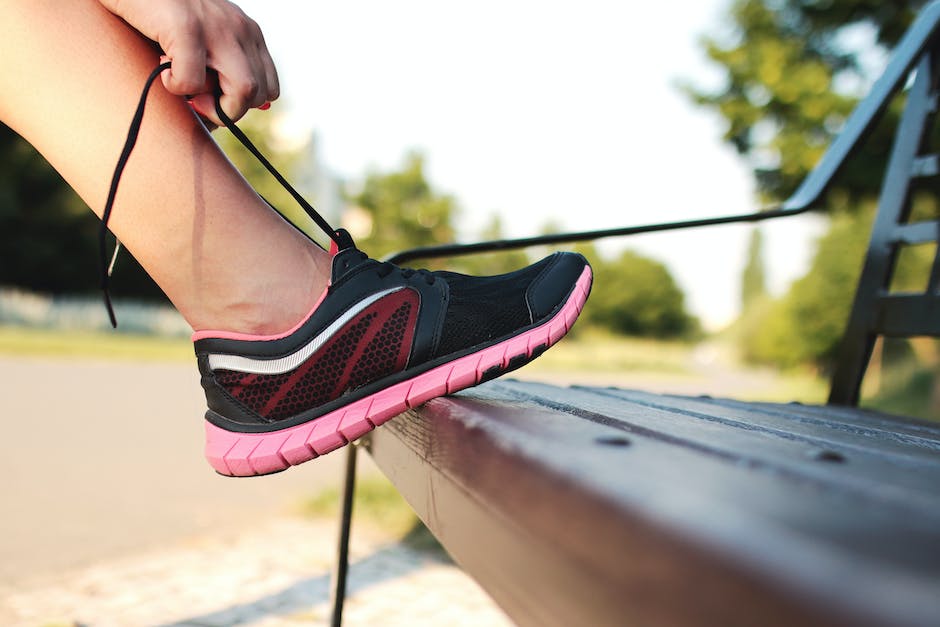
Choosing the right running shoes for you can be a daunting task. There are so many different types and brands to choose from, and it can be hard to know what to look for. So we at RaceMob put together this guide to help you find the best fit.

Different Types of Running Shoes
Running shoes can be broadly classified into three categories: neutral, stability, and motion control. Neutral shoes are designed for runners with a normal gait, while stability shoes are meant for runners who pronate (roll their foot inward when running) or have a low arch. Motion control shoes are for runners with a high arch or who supinate (roll their foot outward when running).
Check our Ultimate Guide to Running Shoes
What to look for in running shoes?
When choosing running shoes, it is important to consider the type of shoe that will best suit your needs. There are three main types of running shoes: neutral, stability, and motion control. Neutral shoes are designed for runners with a normal gait, while stability shoes are meant for runners who pronate or have a low arch. Motion control shoes are for runners with a high arch or who supinate.
When choosing running shoes, it is important to consider the type of shoe that will best suit your needs. There are three main types of running shoes: neutral, stability, and motion control. Neutral shoes are designed for runners with a normal gait, while stability shoes are meant for runners who pronate or have a low arch. Motion control shoes are for runners with a high arch or who supinate.
When selecting running shoes, it is important to identify the specific needs that must be met by the shoe in order to provide adequate support. Different types of running shoes include those designed for general use, those constructed specifically for those who pronate or have low arches, and those engineered for individuals with high arches or who supinate. By taking the time to identify the needs of your feet, you can find the perfect pair of running shoes to help you reach your fitness goals.
How to fit running shoes
To ensure a proper fit, running shoes should be purchased from a specialty retailer that can assess your individual needs. Your gait, foot type, and running goals will all be taken into account in order to find the perfect shoe for you. Once you have found the right model, it is important to try on the shoes and walk around in them to make sure they are comfortable. Be sure to wear the socks you will be using when running when trying on shoes, as this can affect the fit. If the shoes feel snug and comfortable, they are likely the right size.
When to replace running shoes?

It is important to replace running shoes every 300+ miles, or about every 3-6 months for the average runner. This may vary depending on your individual running style and the type of shoes you wear. Keep track of how many miles you run each week and how often you are replacing your shoes to ensure you are getting the most out of your investment. Worn-out shoes can lead to injuries, so it is important to be proactive in replacing them before they cause any problems.
What to do if you are not sure if you need new running shoes
If you're not sure if you need new running shoes, there are a few things you can do to check. First, look at the soles of your shoes - if they're worn down, it's probably time for a new pair. You can also check the fit - if your shoes are starting to feel tight or uncomfortable, it's probably time for a new pair. Finally, keep track of how many miles you run each week and how often you replace your shoes. If you're running more than 300 miles per week, you'll probably need to replace your shoes more often.
The Essential Run Gear on your Race Day Checklist
Conclusion
We hope this article was helpful in choosing the right running shoes for you. Remember to always fit running shoes before running, and to replace them after 400 miles or 6 months of use. Thank you for reading!The Essential Run Gear on your Race Day Checklist
Access expert coaching and structured training plans tailored to your goals
Explore Training Plans